
What Laredo Hotel Fire Victims Should Know
The Records, Photos, and Receipts You Save Now Can Protect Your Rights Later
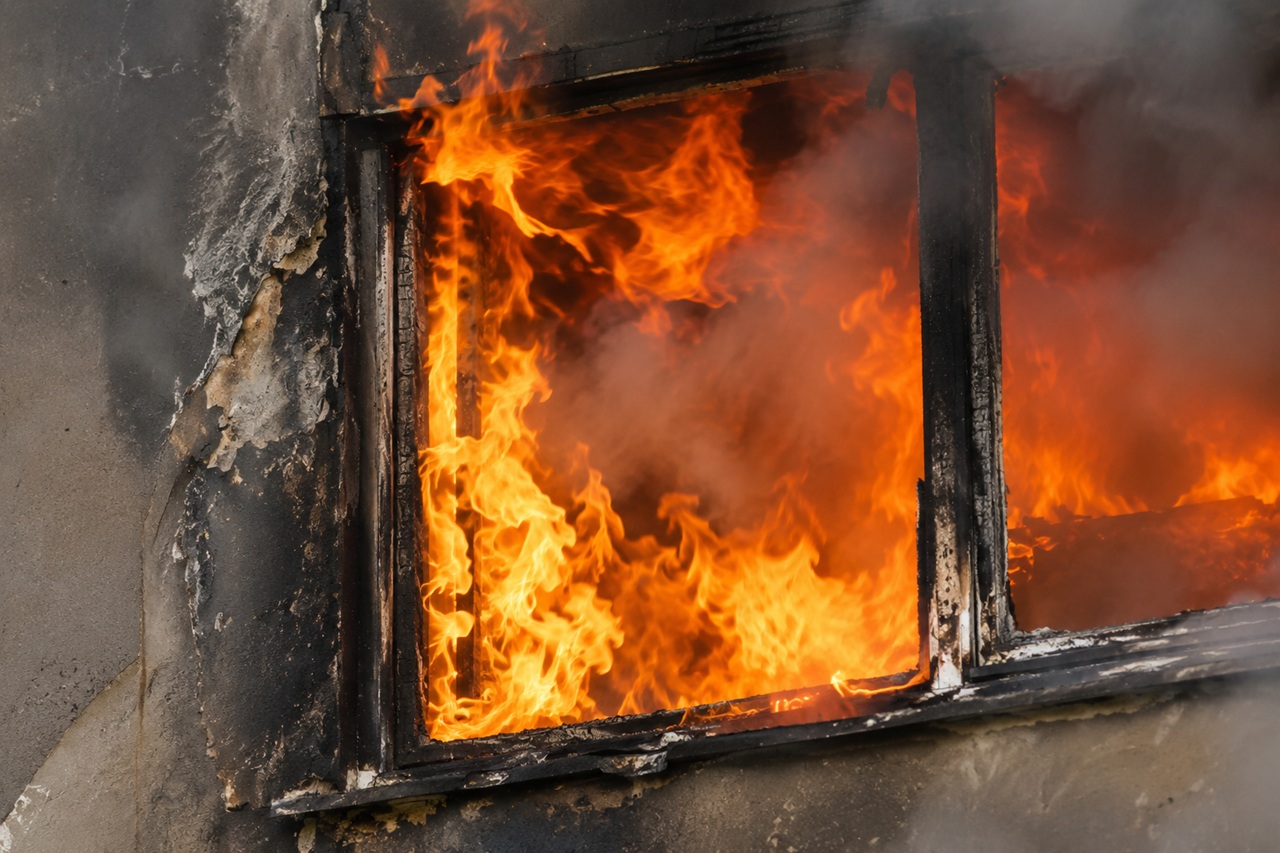
A hotel fire off I-35 in Laredo forced more than 100 guests from their rooms in the early morning hours of Oct. 7, 2026, and sent seven people to local hospitals for smoke inhalation. Guests, hotel workers, and people who live nearby may now be dealing with injuries, lost belongings, and unanswered questions. Anyone hurt in a fire like this may have a premises liability claim, and protecting it starts with saving the right information.
According to KGNS, Mayor Victor Treviño declared an emergency that morning, in part to decide how wide an evacuation area was needed. Officials closed Garden Street, Constantinople Street, San Bernardo Avenue, and the I-35 frontage road because of potential structural dangers. The cause of the fire is still under investigation.
At John R. Solis, Attorney at Law, our Laredo personal injury team is following the investigation closely. Below is the information we believe fire victims and their families should have right now, including the records worth saving before they're lost, thrown away, or deleted. Each of these steps can be done today, long before anyone knows exactly how the fire started.
|
Key Takeaways
|
What Happened in the Laredo Hotel Fire?
The fire broke out after midnight at a hotel in the 800 block of Garden Street, just off I-35. Crews evacuated more than 100 guests in the middle of the night. Seven people were taken to Doctors Hospital and Laredo Medical Center, and all of their injuries involved smoke inhalation. No deaths were reported in early coverage of the fire.
By sunrise, the city had declared an emergency and shut down several surrounding streets because of concerns about the building's structure. For people who live and work nearby, that meant blocked roads, possible evacuations, and smoke drifting through the neighborhood. Investigators haven't released a cause, and that answer will play a major role in who may be held responsible.
Get Checked for Smoke Inhalation Even If You Feel Fine
Many people who walk away from a fire assume they're okay. But according to the Merck Manual, breathing symptoms from smoke inhalation can appear right away or take up to 24 hours to develop. Smoke can damage the airways and lungs, and fires often produce carbon monoxide, which keeps the blood from carrying oxygen.
Coughing, chest pain, headaches, dizziness, and trouble breathing are all reasons to see a doctor. A medical visit soon after the fire also creates a record that ties your symptoms to the smoke. That record can make a big difference if an insurance company later questions whether the fire really caused your injuries.
Records and Evidence Laredo Fire Victims Should Save
Proof from a fire can disappear quickly as the building is cleaned up, repaired, or torn down. Here's what guests, workers, and neighbors should gather and keep in a safe place.
- Hotel Reservation Records – Booking confirmations, receipts, room key sleeves, and loyalty account records show you were a guest and which room you were in.
- Photographs and Video – Pictures and video from that night, including smoke, alarms, exits, and the evacuation, can show conditions no one can recreate later.
- Damaged Property – Keep smoke-damaged clothing, luggage, phones, and other belongings instead of throwing them away, and photograph them before cleaning anything.
- Medical Records – Ambulance reports, emergency room paperwork, prescriptions, and follow-up visits connect your injuries to the fire and show how serious they are.
- Receipts for Every Expense – Save receipts for replacement clothing, medications, meals, transportation, and other lodging you paid for after leaving the hotel.
- Names of Witnesses – Write down the names and phone numbers of other guests, workers, or neighbors who saw what happened, before everyone scatters.
- Communications From the Hotel and Insurers – Keep every email, text, letter, voicemail, and form you get from the hotel, its owners, or any insurance company.
It also helps to write down your own memory of the fire while it's fresh. Note when you first noticed smoke, whether you heard an alarm, how you got out, and anything hotel staff said or did. Small details, like a locked stairwell door or a silent alarm, may become important once investigators release their findings about how the fire started and spread.
Be Careful When the Hotel or Its Insurer Calls
In the days after a fire, guests may hear from the hotel, its management company, or an insurance adjuster. Some may offer to cover a few expenses or ask you to sign paperwork. Before signing anything, read it carefully. A form that looks routine may include a release, which can give up your right to seek more compensation later.
Adjusters may also ask for a recorded statement about the fire and your injuries. Their job is to limit what the company pays, and some may question your injuries or push for a quick settlement before your full medical picture is clear. Talking with a lawyer first can help you avoid saying or signing something that hurts your claim.
Guests, Workers, Neighbors, and Nearby Businesses May Be Affected in Different Ways
A large fire doesn't stay inside the building's walls. Smoke and soot can seep into nearby homes and businesses, and street closures can keep families and customers away for days. The area around the hotel includes other hotels and a restaurant, and each group affected may face different losses and have different places to turn for payment. The table below shows how.
| Who Was Affected | Possible Losses | Possible Sources of Payment |
|---|---|---|
| Hotel guests | Smoke inhalation, burns, injuries during evacuation, and lost belongings | The hotel's liability insurance and other responsible parties |
| Hotel workers | Medical bills, lost wages, and long-term breathing problems | Workers' compensation or a lawsuit against a non-subscribing employer |
| Nearby residents | Smoke exposure, property damage, and costs of staying elsewhere | Homeowner's or renter's insurance and claims against responsible parties |
| Nearby businesses | Smoke and water damage, spoiled inventory, canceled reservations, and lost income during closures | Commercial property and business interruption insurance and claims against responsible parties |
Hotel employees hurt on the job can often turn to workplace injury benefits through workers' compensation. But many Texas employers don't carry that coverage, and workers at those companies may be able to file a non-subscriber claim directly against the employer. Nearby residents and business owners may have insurance claims as well as claims against whoever caused or worsened the fire. Businesses should save repair estimates, cleanup bills, and sales records.
Why Responsibility Depends on the Fire Investigation
Texas law requires businesses to use reasonable care to keep their property safe for the guests they invite in. A hotel can be responsible even if it didn't start the fire, if its negligence made the fire more dangerous. For example, investigators may look at whether alarms sounded, sprinklers worked, exits were clear, and staff knew how to get guests out.
Federal law also sets fire safety guidelines for hotels that want to house federal employees on official travel. Under 15 U.S.C. § 2225, those hotels must have hard-wired smoke detectors in every guest room and, in buildings taller than three stories, automatic sprinkler systems. The official findings may also point to a contractor, a management company, or a product maker.
Timing matters, too. Under Texas Civil Practice and Remedies Code Section 16.003, most personal injury and property damage lawsuits must be filed within two years. But records, video, and damaged materials from the building may be gone long before then, which is why saving evidence now is so important.
Our Firm Is Investigating the Laredo Hotel Fire
A fire in the middle of the night can leave you with hospital bills, missed work, damaged belongings, and questions no one seems ready to answer. Attorney John R. Solis has resolved more than 4,000 cases and works directly with his clients, in English or Spanish. We handle injury cases on a contingency fee basis, so you don't pay unless we win.
If you were injured, our firm is investigating the fire and is available to speak with you.
"Amazing law firm, very friendly staff. Whenever I had a question, they helped me out, very efficient and professional." — Miguel D., ⭐⭐⭐⭐⭐